Roof Ventilation Problems: What Texas Homeowners Need to Know
Your attic shouldn’t feel like a sauna in summer or trap moisture in winter, yet many Texas homeowners discover ventilation problems only after serious damage appears. When energy bills spike unexpectedly or mysterious water stains emerge on ceilings, the culprit often hides in plain sight: inadequate roof ventilation. At Texas Roofing Pro, we’ve spent years helping homeowners across the state understand that proper airflow isn’t just a nice feature—it’s essential protection for one of your largest investments.
Most people never think about their roof ventilation until something goes wrong. That oversight proves costly. The National Roofing Contractors Association estimates that proper ventilation can extend roof lifespan by up to 25 percent, while poor ventilation creates a cascade of problems that damage everything from shingles to structural elements. Understanding how ventilation works and why it matters can save you thousands of dollars and years of premature wear.
How Roof Ventilation Actually Works
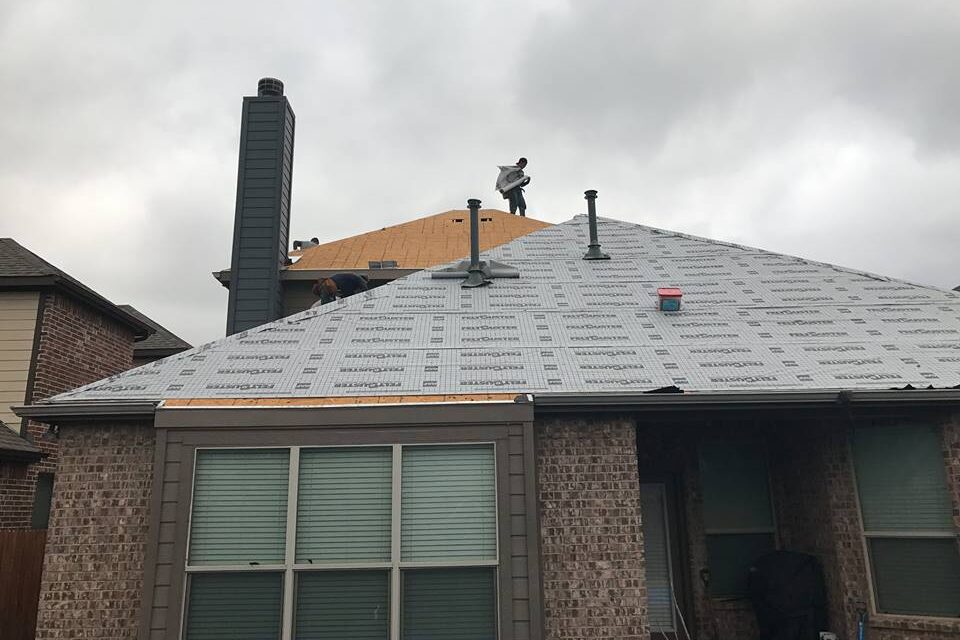
Think of your roof as a breathing system. Intake vents near the eaves pull cool air into the attic space, while exhaust vents at the ridge or roof peak allow hot, moist air to escape. This continuous airflow cycle regulates temperature and moisture levels that directly impact your roof’s integrity and your home’s energy efficiency.
Without adequate ventilation, heat accumulates in your attic during summer months. Temperatures can soar above 150 degrees Fahrenheit, which accelerates shingle deterioration from the underside. The adhesive that bonds shingle layers breaks down faster, granules separate prematurely, and your roof ages years faster than it should. That premium 30-year roof you installed might only deliver 20 years of service.
Winter brings different but equally serious concerns. Warm air from your living spaces rises into an unventilated attic, where it condenses on cold surfaces. This moisture accumulation creates perfect conditions for mold growth, wood rot, and insulation damage. We’ve inspected countless attics where homeowners had no idea thousands of dollars in decay was happening above their heads.
The Financial Impact of Poor Ventilation
The cost of inadequate ventilation extends far beyond roof replacement. When attics trap excessive heat, your air conditioning system works harder to maintain comfortable temperatures. Research from Oak Ridge National Laboratory shows that poorly ventilated attics can increase cooling costs by 10 to 15 percent during peak summer months. Over years, that energy waste adds up significantly.
Moisture damage creates even steeper expenses. Once wood decking begins rotting, repairs require removing sections of roofing material, replacing damaged structural components, and addressing any mold remediation needs. These projects often run several thousand dollars, compared to the relatively modest investment in proper ventilation installation.
Insurance complications add another layer of financial risk. Many policies specifically exclude damage resulting from lack of maintenance or improper installation. If an adjuster determines that ventilation deficiencies contributed to your claim, you might face denial or reduced coverage when you need it most.
Signs Your Ventilation Needs Attention
Several warning signs indicate ventilation problems before catastrophic damage occurs. Unusually high energy bills during summer months often signal trapped attic heat forcing your HVAC system into overdrive. Ice dams forming along roof edges during rare Texas freezes reveal warm air escaping into poorly ventilated spaces where it melts snow that refreezes at the eaves.
Check your attic during hot afternoons. If the space feels significantly warmer than outdoor temperature or you notice moisture on rafters and insulation, ventilation improvements deserve immediate attention. Curling or cracked shingles, especially if your roof isn’t approaching its expected lifespan, may indicate heat damage from below rather than normal weathering from above.
Taking Action to Protect Your Investment
Addressing ventilation concerns starts with professional assessment. A qualified roofing contractor can calculate your home’s specific ventilation requirements based on attic square footage, existing vent placement, and climate considerations. The general guideline calls for one square foot of ventilation for every 150 square feet of attic space, with balanced intake and exhaust.
Texas Roofing Pro provides comprehensive ventilation evaluations that identify deficiencies and recommend cost-effective solutions tailored to your home’s design. Whether you need additional intake vents, upgraded exhaust systems, or complete ventilation redesign, investing in proper airflow protects everything above and below your roofline.
Your roof represents a substantial investment in your home’s protection and value. Don’t let preventable ventilation problems undermine that investment. Contact Texas Roofing Pro today for a thorough inspection and discover how proper ventilation safeguards your home while reducing energy costs and extending your roof’s lifespan.