

When to Replace Your Texas Roof: Signs It’s Time for a New One
Your Texas roof takes a beating under the blazing sun. Between scorching summers that regularly push past 100 degrees, sudden hailstorms that seem to appear out of nowhere, and those occasional winter freezes that catch everyone off guard, your roof works overtime to protect everything beneath it. Most Texas homeowners don’t think much about their roof until water starts dripping into the living room or shingles start appearing in the yard. At Texas Roofing Pro, we’ve spent years helping homeowners understand when their roof is asking for help before minor issues turn into major headaches.
The average asphalt shingle roof lasts between 15 and 25 years, but Texas weather has a way of accelerating that timeline. Your roof isn’t just another home maintenance item to check off a list. It’s your first line of defense against the elements, and knowing when to replace it can save you thousands in water damage, energy costs, and emergency repairs down the road.
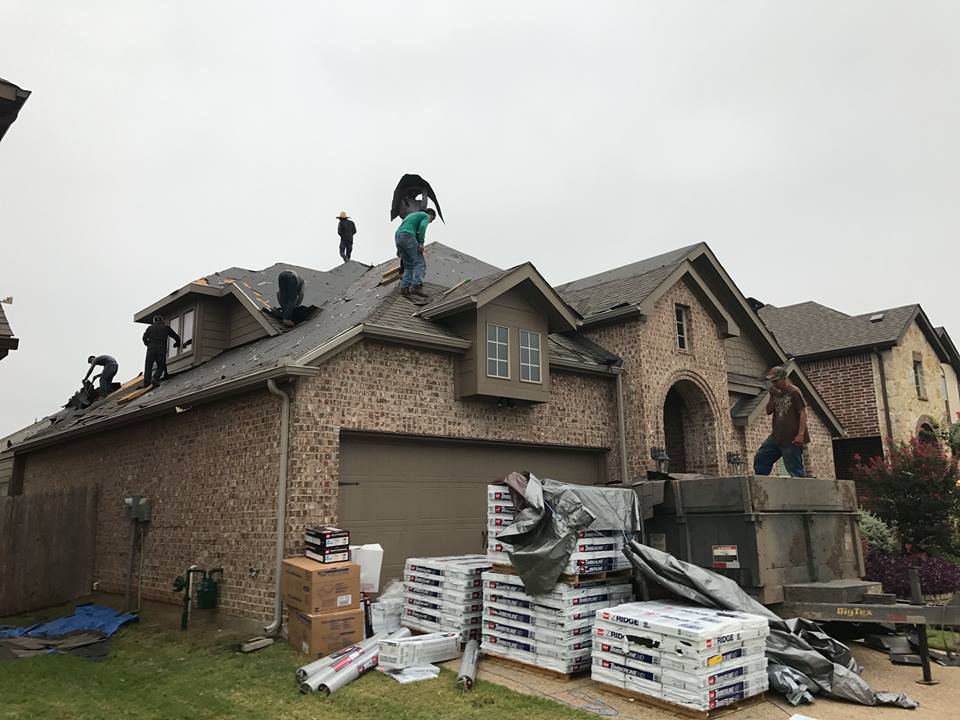
Understanding Age and Weather Impact
Time affects every roof differently, but age remains one of the most reliable indicators that replacement should be on your radar. If your roof is approaching the 20-year mark, you’re entering the zone where professional inspection becomes essential. However, age alone doesn’t tell the complete story in Texas. A roof installed 15 years ago in a neighborhood that’s been hit by multiple hail events might need replacement sooner than a 22-year-old roof that’s lived a relatively peaceful life.
The sun’s ultraviolet rays gradually break down the protective granules on your shingles, which is why you might notice your roof looking more weathered than it did a decade ago. Those granules aren’t just decorative, they shield your roof from heat and moisture. When they start washing away in significant amounts, your roof’s ability to protect your home diminishes rapidly.
Visible Damage That Demands Attention
Curling or buckling shingles tell you that your roof is struggling. You might notice the edges of shingles turning upward or that the middle sections are pushing out, creating waves across your roofline. This happens when shingles lose their flexibility and can no longer lay flat against the roof deck. Once this process starts, it typically accelerates because damaged shingles allow moisture underneath, which creates a destructive cycle.
Missing shingles are obvious red flags, but equally concerning are shingles that have lost their granules. Take a look at your gutters after a heavy rain. If you’re finding significant amounts of granules that look like coarse sand, your shingles are deteriorating. A few granules are normal as roofs age, but heavy accumulation suggests widespread breakdown.
Sagging areas on your roof indicate structural problems that go beyond the shingles themselves. This could mean your roof decking has been compromised by water damage or that the underlying structure needs attention. Sagging never improves on its own and represents a situation where replacement can’t wait.
Interior Warning Signs
Sometimes the clearest signs that you need a new roof appear inside your home rather than outside. Water stains on your ceilings or walls indicate that moisture is penetrating your roof’s defenses. Even small stains deserve immediate attention because the water you see on your ceiling represents just a fraction of the moisture that’s actually infiltrating your home.
Daylight visible through your roof boards when you’re in the attic is never a good sign. Neither is finding moisture or water stains in your attic space. Your attic should be dry and properly ventilated. If it’s not, your roof isn’t doing its job, and the problem will only worsen with time.
Rising energy bills can also point to roof problems. When your roof’s integrity is compromised, your home’s insulation becomes less effective, forcing your HVAC system to work harder to maintain comfortable temperatures.
Making the Investment Decision
Deciding between repair and replacement comes down to economics and timing. Minor damage affecting a small section of a relatively young roof might be worth repairing. However, if your roof is older and experiencing problems in multiple areas, repairs often become a temporary fix that delays the inevitable while costing you money that could go toward a proper replacement.
Texas Roofing Pro can assess your roof’s condition and provide honest guidance about whether repair or replacement makes sense for your situation. We understand that a new roof represents a significant investment, but we also know that the right timing protects both your home and your budget.
Your roof protects everything you’ve worked hard to build. When the signs point toward replacement, addressing the issue sooner rather than later prevents the kind of damage that turns a roofing project into a much larger renovation. We’re here to help you make informed decisions about your roof’s future and ensure your home stays protected through whatever Texas weather throws your way. Reach out to Texas Roofing Pro today for a thorough inspection and straightforward answers about your roof’s condition.